20 counties record zero development spending in first quarter - CoB
Isiolo, Kirinyaga, and Murang’a emerged as the top performers, collectively spending just Sh3.69 billion on development initiatives across the 47 counties.
Twenty county governments failed to spend a single shilling on development projects in the first quarter of the 2025/26 financial year, covering July to September, according to a report by the Controller of Budget (CoB).
The review highlights a worrying trend where counties prioritise recurrent expenditures over development, leaving projects stalled and public services under pressure.
More To Read
- County services at risk as 79 public funds lapse or near expiry, CoB warns
- Isiolo side Odha FC, coach face year-long FKF suspension after playoff chaos
- Rival Isiolo speakers face Senate over audit failures
- Court dismisses petition to remove Governor Guyo over alleged party defection, sets strict rules for party switching
- Isiolo courts investors as county pushes public–private partnerships in economic transformation drive
- Senate summons Isiolo, Kericho governors for skipping audit hearings
Isiolo, Kirinyaga, and Murang’a emerged as the top performers, collectively spending just Sh3.69 billion on development initiatives across the 47 counties.
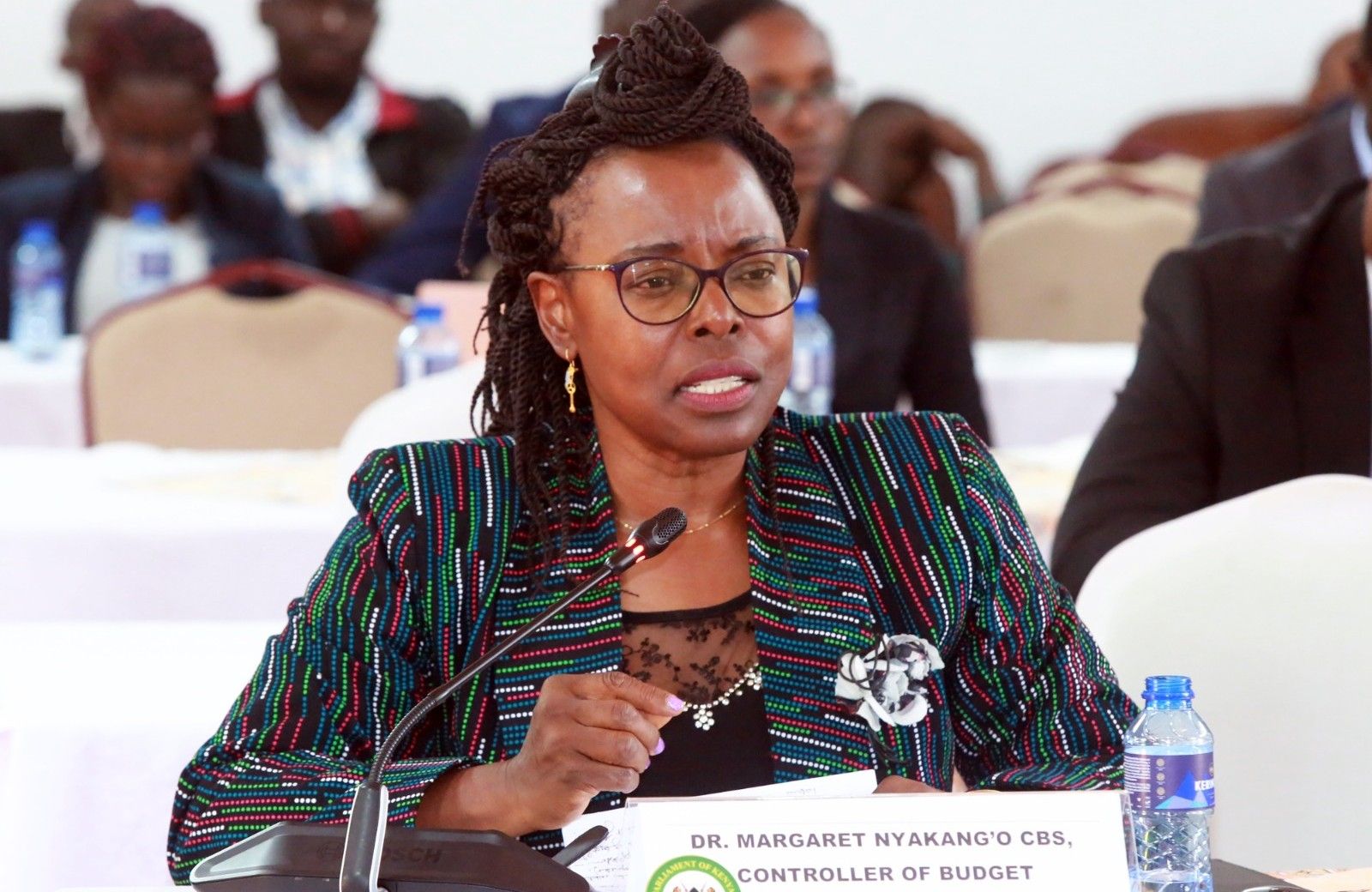
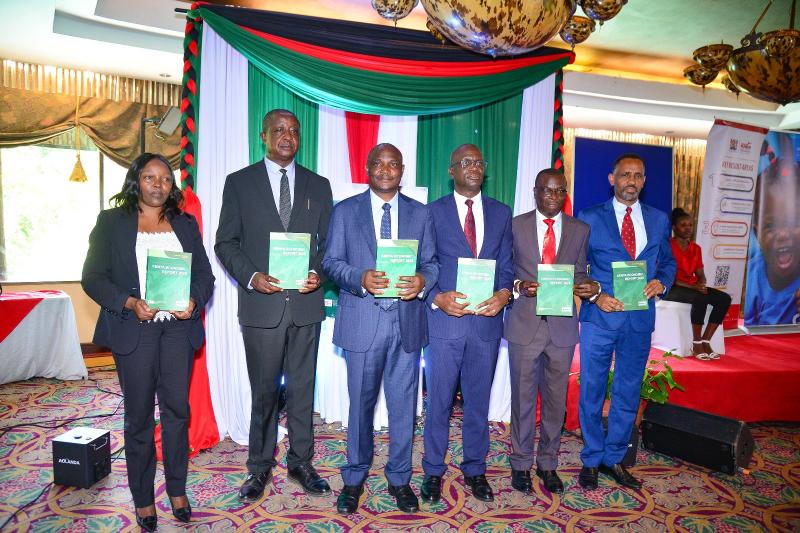
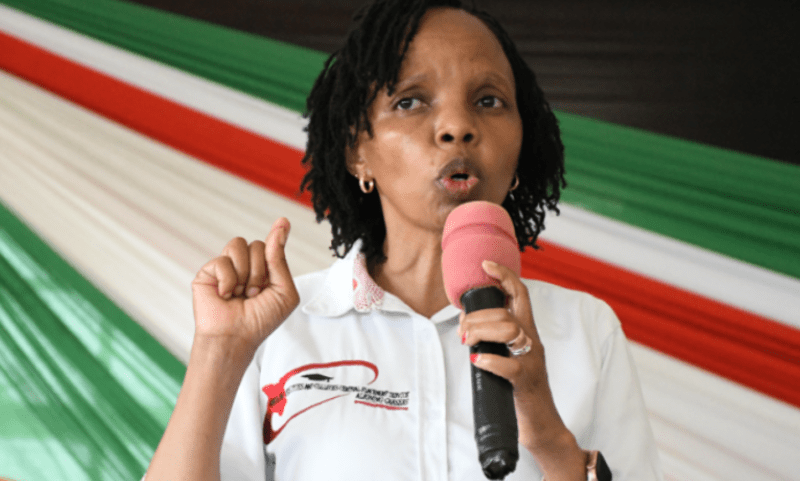
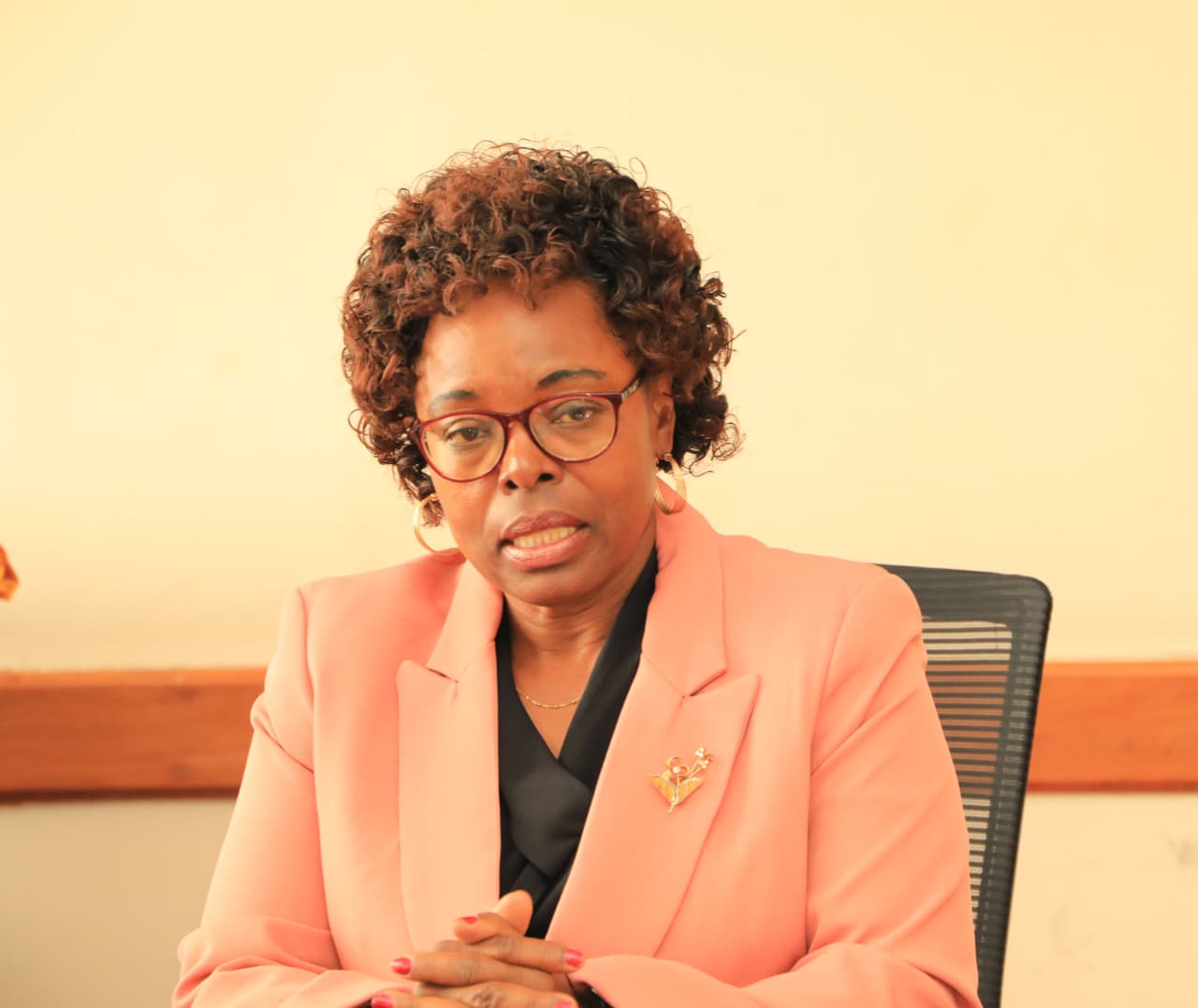
The County Governments Budget Implementation Review Report for the first quarter of the financial year ending June 30, 2026, released on Monday by CoB Margaret Nyakang’o, paints a stark picture of slow growth at the county level.
Counties that reported zero development spending include Kericho, Tana River, Turkana, Bomet, Siaya, Trans Nzoia, Baringo, Kilifi, Kwale, Kajiado, Kisumu, Mombasa, Vihiga, Busia, West Pokot, Bungoma, Uasin Gishu, Wajir, Laikipia, and Kisii.
Wajir County either did not spend any funds during the period under review or failed to submit its report.
Collectively, the remaining 27 counties spent only Sh3.69 billion on development programmes, representing a mere two per cent of the Sh218.99 billion annual development budget.
Meanwhile, counties spent more than Sh51 billion on recurrent costs, including Sh43.7 billion for personnel emoluments and Sh7.76 billion for operations and maintenance.
The Sh3.69 billion spent on development is also a drop from Sh6.71 billion recorded during the same period in the 2024/25 financial year, suggesting a widening gap between recurrent and development expenditure.
“The Controller of Budget advises county governments to increase their expenditures from development budgets for the remainder of FY 2025/26,” Nyakang’o warned.
Under Section 107(2)(b) of the Public Finance Management Act, 2012, counties are required to allocate at least 30 per cent of their budgets to development over the medium term.
Yet, even the 26 counties that spent on development reported absorption rates of 10 per cent or less. Isiolo County led the spending, disbursing Sh191 million, which is 15 per cent of its annual development budget.
Kirinyaga followed with Sh201.7 million (seven per cent), while Murang’a, Makueni, Machakos, Mandera, and Kitui recorded between five and six per cent of their development budgets.
Isiolo also topped overall budget absorption at 21 per cent, followed by Kitui at 18 per cent, and Machakos, Nyeri, and Uasin Gishu at 14 per cent each. Counties with the lowest absorption included Turkana and Laikipia at five per cent, and Tana River, Nyandarua, and Kericho at four per cent.
Governor Irungu Kang’ata of Murang’a explained that his county has focused resources on smart city initiatives, youth empowerment programmes, and provision of certified seeds and fertiliser to farmers.
He noted that the rollout of the national e-Government Procurement (e-GP) system has caused delays in development procurement.
“The e-GP system is important for transparency, but its early implementation phase has delayed procurement and, consequently, development spending in many counties,” he said.
Counties reporting zero development spending showed heavy recurrent expenditure. Bungoma spent Sh2 billion on employee compensation and Sh125.1 million on operations, yet nothing on development.
Kisumu committed Sh1.25 billion to salaries and Sh61.8 million on operations, Kilifi Sh1.2 billion to salaries and Sh272.9 million to operations, and Mombasa Sh1.12 billion to salaries and Sh62 million to operations, all with no development expenditure.
Uasin Gishu spent Sh1.14 billion on salaries alone, Kwale Sh962.2 million on salaries and Sh89.6 million on operations despite stalled projects worth Sh281 million, and Siaya Sh712.4 million on salaries with three stalled projects valued at Sh46.8 million.
Other counties with zero development spending included Tana River, West Pokot, Trans Nzoia, Turkana, Baringo, Bomet, Busia, and Kericho, all facing multiple stalled projects ranging from Sh80 million in Trans Nzoia to Sh224 million in Kericho. Vihiga attributed its development stagnation to operational challenges linked to the e-GP system.
Top Stories Today